
Standing Up for Justice: The Global Protest Against Human Rights Violations
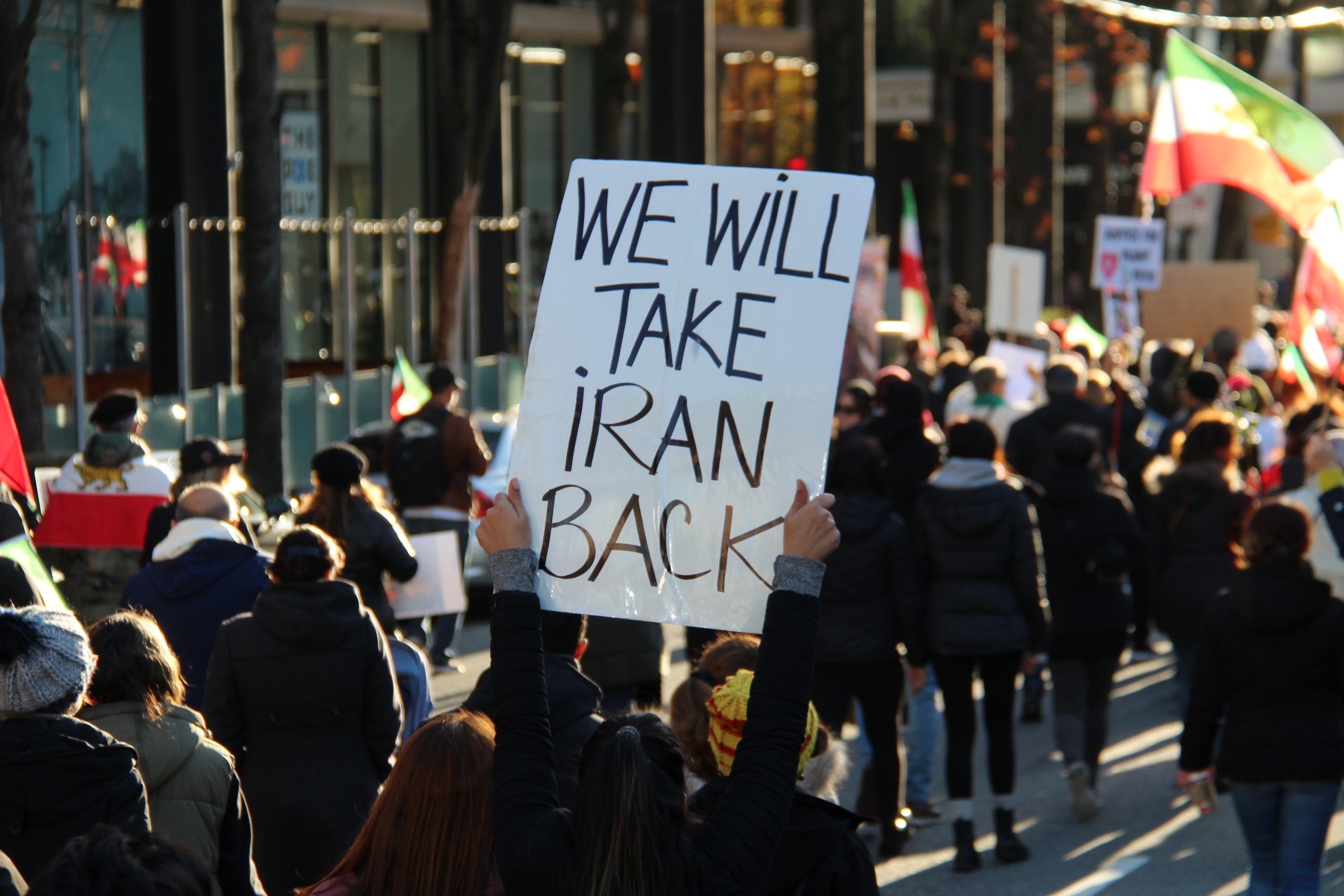
The fight for human rights has taken many forms over the years, and one of the most powerful expressions of this struggle is the protest against human rights violations. From peaceful demonstrations to more aggressive forms of resistance, people around the world mobilize to challenge injustices, demand accountability, and advocate for fundamental rights. This article delves into the importance of protests in the realm of human rights, highlights significant movements, and discusses the impact of these efforts on society.
The Importance of Protests in Human Rights Advocacy
Protests serve as a vital mechanism for highlighting issues that may otherwise go unnoticed. They attract media attention, draw public interest, and put pressure on governments and organizations to take action. When individuals come together to voice their concerns, they amplify their messages, creating an environment where change is not only possible but necessary. Protests can mobilize communities, foster solidarity, and inspire others to join the fight for justice.
Historical Context
Throughout history, numerous protests have marked significant turning points in the ongoing struggle for human rights. The civil rights movement in the United States during the 1960s stands out as a prominent example. Activists like Martin Luther King Jr. led peaceful protests, including the famous March on Washington, to demand equal rights for African Americans. This movement not only galvanized public opinion but also led to pivotal legislative changes, including the Civil Rights Act of 1964.
Similarly, the anti-apartheid movement in South Africa drew international attention through protests and demonstrations against racial segregation and oppression. Figures like Nelson Mandela and Desmond Tutu played crucial roles, with protests bringing global awareness and eventually contributing to the dismantling of apartheid in the early 1990s. These historical examples illustrate how coherent and passionate protests can influence political landscapes and reshape societal norms.
Modern Protests and Global Movements
In recent years, new movements have emerged, fueled by technology and social media that catalyze rapid mobilization. Notable examples include the #BlackLivesMatter movement in the United States, which began in response to police violence against Black individuals. The movement has sparked protests across the globe, advocating for racial justice and police reform. Social media platforms have played a critical role in organizing these protests, as messages can be disseminated quickly, attracting participants from diverse backgrounds.
Another example is the Fridays for Future movement, initiated by young climate activist Greta Thunberg. Protests organized by students around the world call attention to climate change and demand immediate action from governments to combat environmental degradation. These global protests have not only raised awareness about the climate crisis but have also highlighted the intersectionality of human rights and environmental issues, linking the fight for climate justice with broader human rights advocacy.
Challenges and Risks of Protest
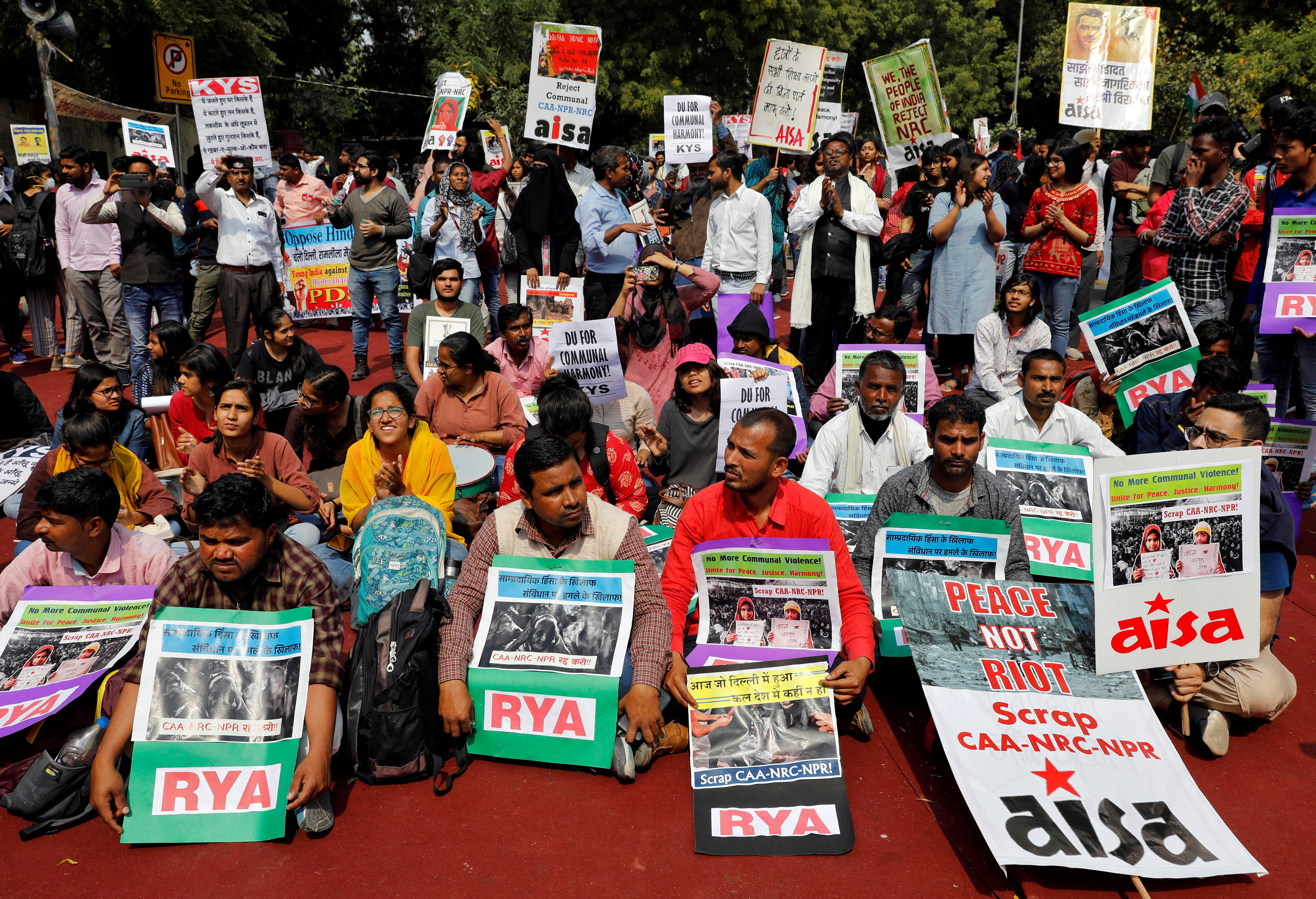
While protests are powerful tools for change, they often come with significant risks. Protesters can face violence, repression, and legal consequences, particularly in authoritarian regimes. Governments may respond to protests with force, leading to arrests, injuries, and even fatalities. The threat of violence can dissuade individuals from participating, creating a chilling effect on free expression and assembly.
Additionally, the co-opting of movements can often dilute their original messages. Leaders and organizers must navigate the complexities of maintaining a clear agenda while responding to the diverse perspectives within their movements. Ensuring that voices from marginalized communities are heard is essential to maintaining the integrity and effectiveness of protests.
The Role of International Organizations
International organizations, such as the United Nations and Human Rights Watch, play a crucial role in supporting protesters and advocating for human rights. They monitor situations, document violations, and apply pressure on governments to uphold their human rights obligations. By raising awareness about protests, these organizations can help amplify the voices of activists on the ground, ensuring that their struggles do not go unnoticed.
Furthermore, many international treaties and conventions emphasize the right to peaceful assembly and freedom of expression. Advocates leverage these legal tools to challenge governments that infringe upon these rights. By framing protests within the context of international law, activists can strengthen their cases against human rights violations.
The Future of Protests in Human Rights Advocacy
As society continues to evolve, so too will the nature of protests and the fight for human rights. The rise of technology allows for innovative forms of activism, including virtual protests, online campaigns, and digital storytelling. These methods enable activists to reach a wider audience and foster global solidarity.
Moreover, as issues of inequality, climate change, and social justice become increasingly interconnected, protests will likely address multiple dimensions of human rights simultaneously. The complexity of these challenges necessitates a collaborative approach, uniting diverse groups and fostering intersectional movements that can effectively address the root causes of injustices.
Conclusion
The protest against human rights violations remains a critical aspect of social justice activism. Through peaceful demonstration and collective action, individuals can challenge systems of oppression and advocate for a more just and equitable world. While the path is often fraught with challenges, the persistence and passion of activists continue to inspire hope and drive meaningful change. It is a reminder that as long as there are voices willing to speak out and stand up for justice, the struggle for human rights will endure, shaping the future for generations to come.